A Century Later: The Evolution of the Hard Drive Shredder
 Great innovations often stem from a combination of necessity and inspiration from existing inventions. This is evident in the story of German toolmaker Adolph Ehinger, whose idea for shredding paper was ahead of its time.
1930s: The Birth of the Paper Shredder
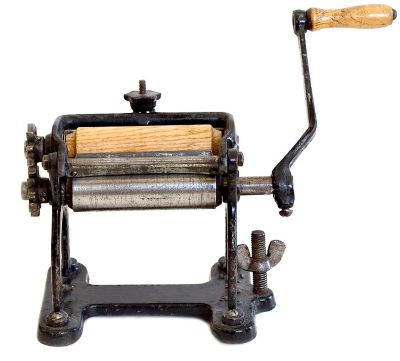
In 1935, Adolph Ehinger needed a quick way to destroy information on paper documents, particularly his anti-Nazi literature. Drawing inspiration from a hand-cranked pasta maker, he created a device that shredded paper one page at a time. This simple yet ingenious solution helped him evade scrutiny and marked the birth of the first paper shredder.
1940s: Motorizing the Shredder
By the 1940s, Ehinger had replaced the manual crank with a motor, significantly speeding up the shredding process. Recognizing its potential, he patented the machine and marketed it to government, military, and financial institutions. This innovation marked a pivotal moment in the evolution of document destruction.
1950s: Rising Popularity During the Cold War
During the Cold War in the 1950s, the popularity of Ehinger’s shredder soared. In 1959, his company introduced the first cross-cut shredder, which sliced paper into tiny pieces, making it extremely difficult to reconstruct the original documents. This advancement greatly enhanced the security of shredded documents.
1960s to 1970s: From Exclusive to Essential
Initially, paper shredders were primarily used by government, military, and banking sectors. The public was largely unaware of these devices until the 1970s, when scandals like Watergate brought them into the spotlight. In the late 1970s, the need arose for making electronic data unreadable, leading to the evolution of shredding methods. However, early electronic shredding faced environmental challenges, as shredded materials often ended up in landfills, causing harm and waste.
1980s: Legal and Criminal Implications
In 1987, a significant ruling by the US Supreme Court declared that garbage left at the curb was public property. This opened the door for thieves to exploit personal information found in the trash. The surge in identity theft highlighted the need for secure information disposal.
1990s: Growing Awareness and Home Use
The 1990s saw a dramatic increase in corporate and personal identity theft. This spike led to a greater awareness of information protection and the introduction of solutions to combat these crimes. In 1998, Adolph Ehinger’s company was acquired by Krug & Priester, which continued to innovate and produce shredders. During this time, smaller, more portable shredders became available for home use, further expanding their reach.
2000s: The Rise of E-Waste Recycling
With the proliferation of electronic devices, e-waste recycling became essential in the 2000s. The need to securely dispose of private information stored on hard drives and other electronic storage devices, combined with environmental concerns, spurred the development of shredding companies capable of destroying paper and electronic media. These companies also focused on recycling shredded materials to keep them out of landfills.
Modern Day: Comprehensive Data Destruction
Today, sensitive data on hard drives, SSDs, and magnetic media is always at risk unless it is completely destroyed. Methods like wiping, degaussing, or reformatting do not fully remove data, and forensic software can often recover it. To prevent security breaches that could lead to significant financial, reputational, and compliance issues, it is crucial to have a plan in place for shredding and destroying information on all devices before recycling them. At-risk devices include:
- Computer hard drives
- Retired servers
- Disposed flash drives, thumb drives, USB drives
- Discarded external hard drives
- Outdated mobile devices
- DVDs
- Backup tapes
Storing or locking up old technology is not a reliable solution. Stored drives and devices are still vulnerable to being lost or stolen, and if they contain personally identifiable information, they could breach retention policies and make your company non-compliant with state and federal privacy laws. The best approach is to use professional hard drive and digital media shredding services that adhere to regulatory laws such as HIPAA, HITECH, FACTA, and GLBA.
The Importance of Secure Shredding Today
Since Ehinger’s first paper shredder, information has become an incredibly valuable commodity. For organizations that collect, store, use, and share data, a breach can be devastating. Consequently, there is a high demand for safe, secure, and compliant shredding services for paper, hard drives, and electronic devices. Stevens & Stevens, a NAID AAA Certified shredding provider, ensures that information is rendered impossible to retrieve or reconstruct. They offer comprehensive destruction services and provide a Certificate of Destruction upon completion.
To have your drives and media securely destroyed, contact Stevens & Stevens at 855-573-3900 or complete the form on this page.


